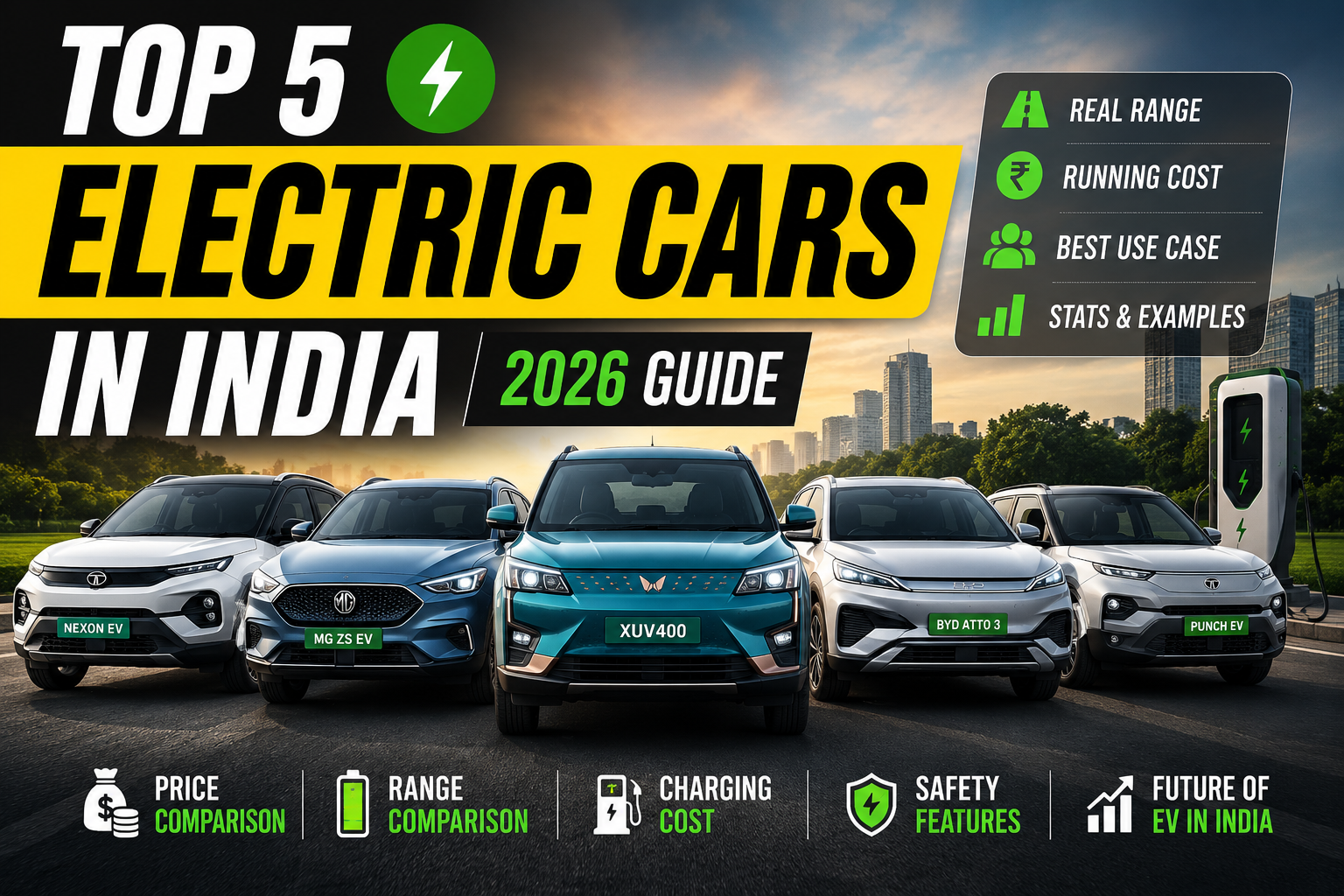
India’s roads are changing faster than most people expected. Just five years ago, spotting an electric car outside airports or IT parks felt unusual. Now you can see EVs parked in apartment basements, charging near shopping malls, and even being used for long-distance highway trips between Hyderabad and Bengaluru. The shift is not just about saving fuel money anymore. Electric cars in India have started becoming practical daily machines for students, families, and working professionals who are tired of rising petrol prices touching ₹110 per litre in many cities.
Why Electric Cars In India Are Growing So Fast
According to the International Energy Agency (IEA), global EV adoption crossed major growth milestones in 2025, and India has become one of the fastest-growing emerging EV markets. Government subsidies under the FAME scheme, expanding charging infrastructure, and lower running costs pushed more buyers toward electric mobility. That matters because fuel expenses quietly eat a huge part of middle-class monthly budgets.
Think about a person driving 40 km daily in a petrol SUV. Monthly fuel expenses can easily cross ₹10,000. An electric car doing the same distance may cost around ₹1,200 to ₹2,000 in electricity depending on charging habits. The gap becomes impossible to ignore after a year.
What I find more interesting is how EV ownership has shifted from “tech enthusiast purchase” to a financially logical decision. Earlier buyers worried mostly about charging stations. Now the bigger conversation is battery range, resale value, and software features.
And honestly, that is a sign the market is maturing.
Top 5 Electric Cars In India You Should Actually Consider
1. Tata Nexon EV
The Tata Nexon EV remains one of the most practical electric cars in India because it balances price, range, service availability, and real-world usability. Tata Motors built an ecosystem around it rather than selling it like a niche experiment.
Price and Real Usage
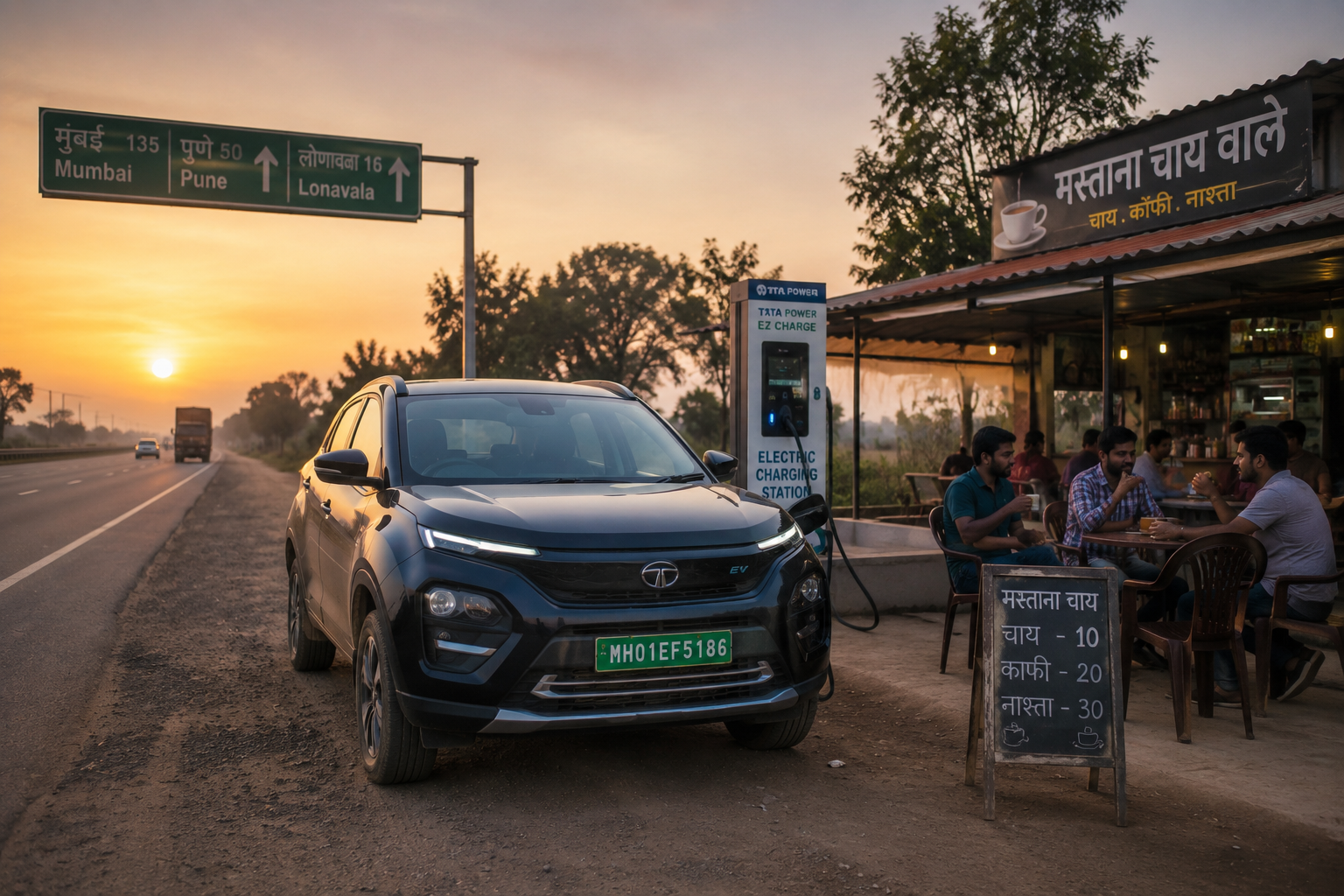
The average on-road price ranges between ₹16 lakh and ₹21 lakh depending on the variant and state subsidies. The claimed range goes beyond 450 km, although real-world city driving usually delivers around 320–370 km with AC usage.
A Hyderabad-based cab fleet operator reportedly shifted several urban routes to Nexon EVs because charging overnight reduced operating costs dramatically. That is where EV economics become visible in real life, not just advertisements.
Why It Works So Well
The strongest advantage is service accessibility. Smaller Indian cities still lack advanced EV infrastructure, yet Tata’s dealership network gives buyers confidence. Here is the thing nobody tells you: service peace of mind matters more than touchscreen size once ownership begins.
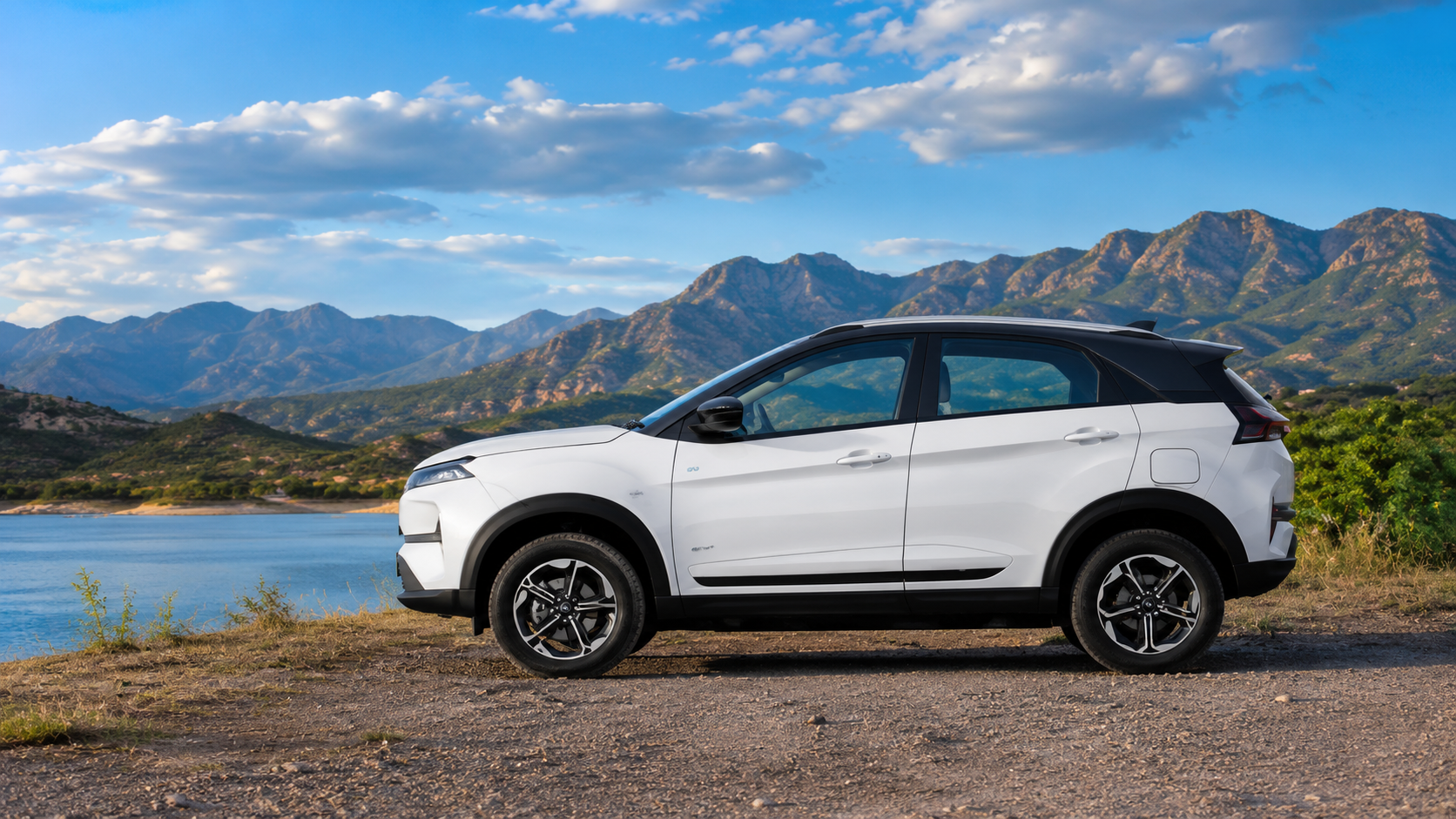
The truth is, Nexon EV succeeded because it feels like a normal SUV first and an EV second. Buyers wanted familiarity, not science fiction.
2. MG ZS EV
MG ZS EV targets buyers who want a premium experience without entering luxury-brand pricing territory. The cabin quality feels noticeably more polished than many rivals, especially for highway-focused families.
Range and Highway Comfort
Pricing usually starts near ₹23 lakh and stretches beyond ₹28 lakh for higher trims. Real-world driving range often stays between 350 and 420 km depending on traffic conditions and speed.
Imagine driving from Vijayawada to Visakhapatnam with a single charging stop during lunch. That scenario was difficult to picture three years ago. Now it is becoming routine for long-range EV owners.
Charging Experience
Fast charging support allows the battery to recover significantly within roughly an hour at DC charging stations. Industry data consistently shows that highway charging networks are improving fastest around major metro corridors.
What this part is wild is how silent highway driving feels inside this car. At 90 km/h, cabin noise drops so much that conversations feel oddly calm compared to diesel SUVs.
3. Mahindra XUV400
The Mahindra XUV400 feels like Mahindra’s answer to buyers who want a larger family-focused EV without spending luxury-car money. It carries familiar XUV styling, which matters because many Indian buyers still prefer SUVs that look bold and traditional rather than futuristic.
Price and Daily Driving Experience
The on-road pricing usually falls between ₹17 lakh and ₹20 lakh depending on state taxes and selected variants. Mahindra claims strong battery efficiency, while real-world range generally stays around 300–360 km with mixed city and highway usage.
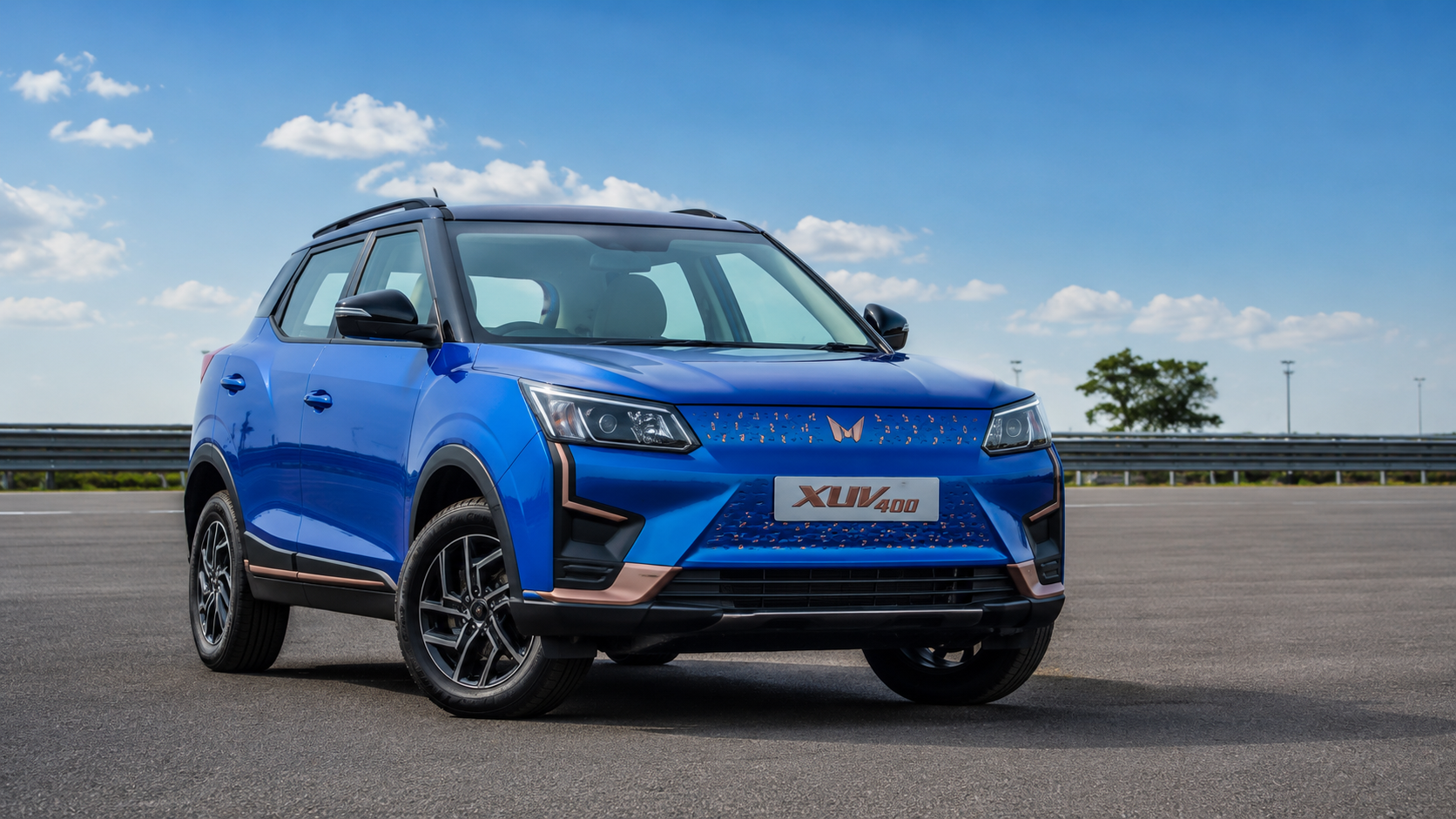
That range comfortably handles daily office commutes, weekend shopping runs, and even medium-distance intercity travel. A Bengaluru tech employee driving nearly 55 km daily could realistically charge only twice a week at home. That changes ownership psychology completely.
Cabin Comfort and Road Presence
One thing Mahindra understands well is suspension tuning for Indian roads. Speed breakers, rough patches, and potholes feel less punishing compared to some smaller EV hatchbacks.
What I did not expect was how spacious the rear seating feels during longer trips. Many EVs prioritize battery packaging so aggressively that passenger comfort quietly suffers. The XUV400 avoids that mistake surprisingly well.
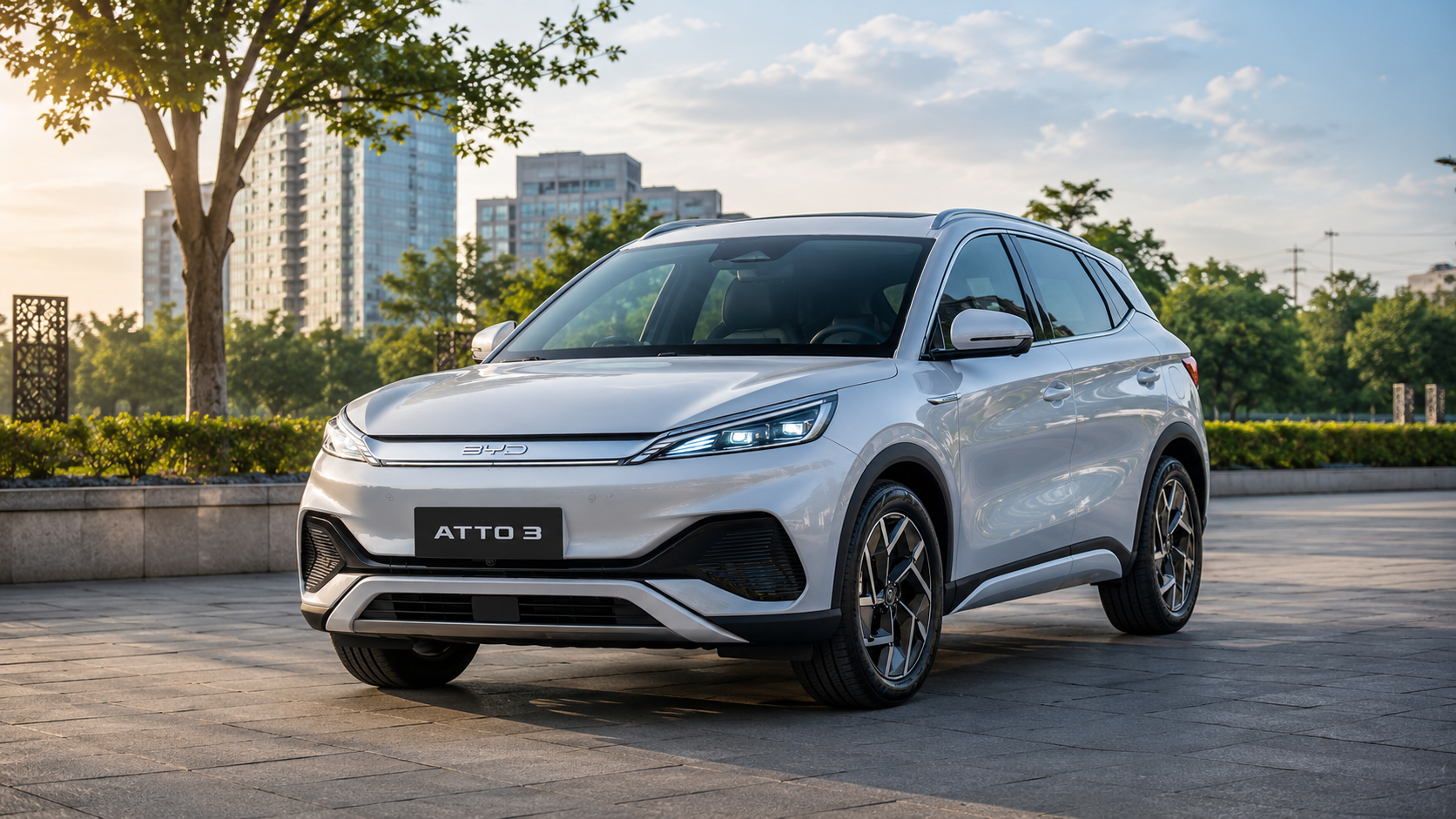
4. BYD Atto 3
BYD Atto 3 sits in a very different category compared to budget-focused Indian EVs. This car targets premium buyers who care deeply about refinement, technology, and long-distance comfort.
Range and Performance
Pricing usually starts around ₹25 lakh and climbs beyond ₹34 lakh for higher trims. The real-world range often stays between 400 and 480 km depending on driving style and AC usage.
That number matters because highway anxiety reduces dramatically beyond the 400 km mark. Suddenly routes like Hyderabad to Vijayawada or Chennai to Bengaluru become practical with minimal charging stops.
Why Buyers Are Paying Attention
The interior quality genuinely feels closer to international premium SUVs than most people expect. Soft-touch materials, ambient lighting, and large infotainment systems create an experience that feels expensive without trying too hard.
Here is the interesting part though: BYD’s Blade Battery technology became a major talking point because of its strong safety reputation globally. According to industry battery safety discussions, BYD invested heavily in thermal stability improvements, which matters because battery-fire fears still influence many Indian buyers emotionally.
Personally, this is one of the few EVs in India that genuinely feels designed from the ground up as an electric vehicle rather than converted from a petrol platform.
5. Tata Punch EV
The Tata Punch EV may quietly become one of the most important EVs in India because it pushes electric mobility closer to mainstream middle-class affordability.
Pricing and City Usage
The average pricing ranges between ₹13 lakh and ₹16 lakh depending on battery pack and feature selection. Real-world range generally stays between 280 and 340 km, which is more than enough for most urban users.
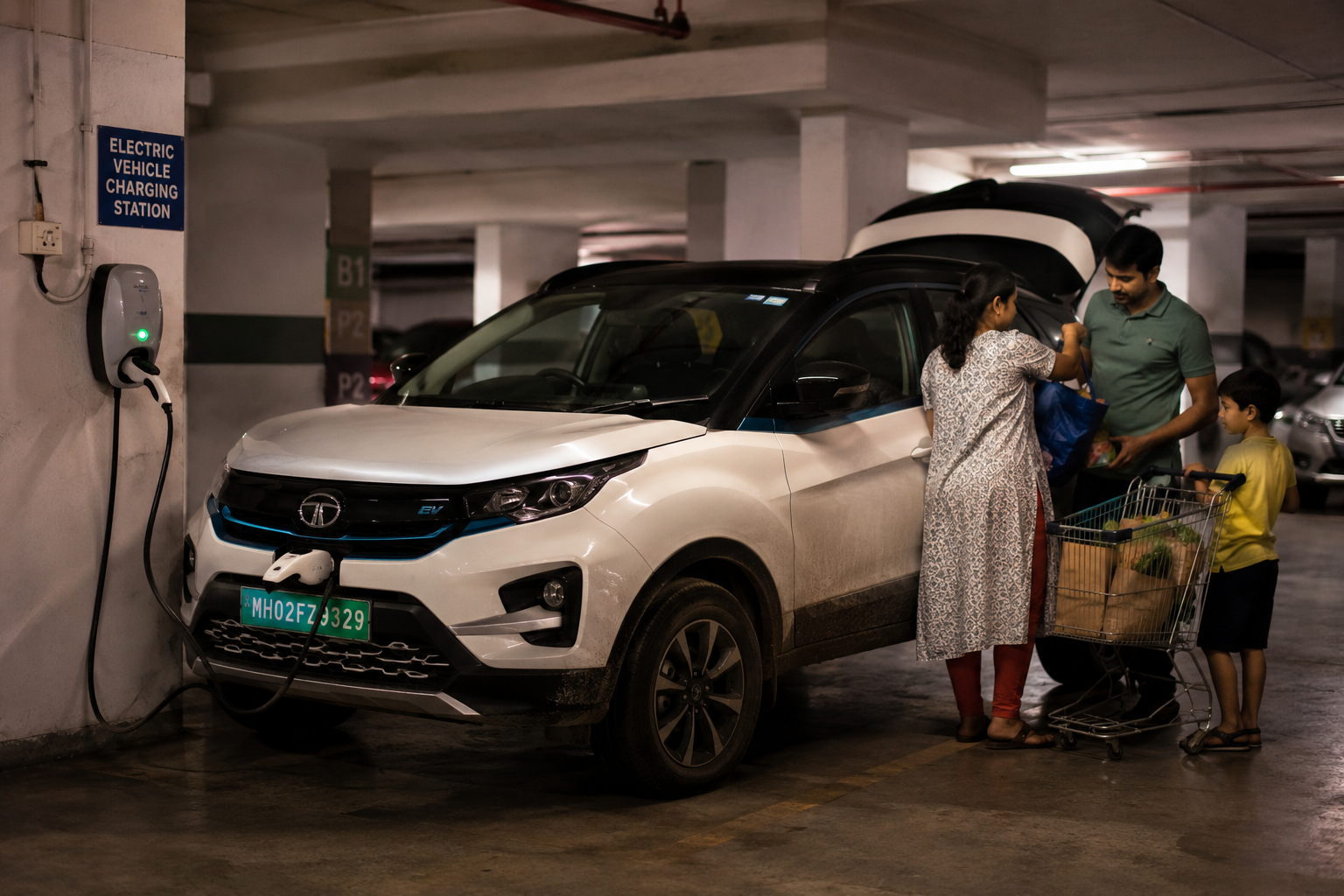
Think about a college student or young working professional in Hyderabad driving 25–35 km daily. Charging overnight at home could mean spending less on electricity monthly than many people currently spend on weekend petrol alone.
Why It Makes Sense For First-Time EV Buyers
Compact dimensions help massively in crowded Indian cities where parking itself feels like a daily challenge. The Punch EV also carries SUV-inspired ground clearance, making it practical for rough urban roads and flooded streets during monsoon season.
What most people get wrong about affordable EVs is assuming cheaper means compromised. The reality is different. Many buyers actually need compact practicality more than oversized battery packs or luxury interiors.
The truth is, the Punch EV could become India’s “default first EV” for younger buyers entering the electric car market for the first time.
EV Ownership Costs Matter More Than Price
Running Cost Comparison
Many first-time buyers obsess over showroom price while ignoring long-term ownership expenses. That approach is like buying a gaming laptop without checking battery life or cooling performance. The hidden costs decide daily experience.
| Car | Approx Price | Real Range | Estimated Running Cost Per Km |
|---|---|---|---|
| Tata Nexon EV | ₹16–21 Lakh | 320–370 km | ₹1–1.5 |
| MG ZS EV | ₹23–28 Lakh | 350–420 km | ₹1.5–2 |
| Mahindra XUV400 | ₹17–20 Lakh | 300–360 km | ₹1–1.4 |
| BYD Atto 3 | ₹25–34 Lakh | 400–480 km | ₹1.8–2 |
| Tata Punch EV | ₹13–16 Lakh | 280–340 km | ₹0.9–1.3 |
A petrol SUV can easily cost ₹8–12 per km in fuel alone. Suddenly EV pricing starts making more sense after 4–5 years of ownership.
What Most People Get Wrong About Electric Cars In India
Most buyers assume battery replacement is an immediate financial nightmare. Reality looks very different. Modern EV batteries usually come with warranties around 8 years or 1.6 lakh km.
People also overestimate daily range needs. Ask yourself honestly: how often do you drive 400 km continuously in one day? Most urban users barely cross 40–60 km daily.
Another misunderstanding involves charging speed. Home charging overnight solves nearly 80% of real ownership needs for city drivers. Public chargers matter mainly for highway travel.
Personally, the biggest challenge is still apartment charging permissions in older residential buildings. Infrastructure inside housing societies remains inconsistent across India.
A smart EV purchase is less about maximum range and more about matching your actual lifestyle. Someone driving mostly inside the city does not need a 500 km battery pack costing several lakhs extra.
The Counterargument Against Buying EVs Right Now
Electric cars still carry genuine disadvantages, and pretending otherwise makes the conversation dishonest. Charging infrastructure outside metro corridors remains inconsistent, especially in smaller towns and rural highways. Battery replacement costs can still feel intimidating even with long warranties attached.
Cold-weather efficiency losses and highway range drops also affect practical driving distance. Someone regularly travelling 600–700 km across remote routes may still find diesel vehicles more convenient today.
There is also the resale value question. India’s EV market is evolving so quickly that current technology may feel outdated faster than traditional cars. That uncertainty makes cautious buyers hesitate.
At the same time, waiting forever rarely works in technology markets. Smartphones improved every year too, yet people still bought them because the practical benefits already outweighed the limitations.
How To Choose The Right Electric Car In India
Start by tracking your weekly driving distance honestly for seven days. Most buyers discover they use far less range than they imagined. After that, check whether your apartment or house supports overnight charging because home charging changes the entire ownership experience.
Then compare service center accessibility before comparing fancy features. Open Google Maps and search nearby authorized EV service centers within 20 km. This step alone prevents future frustration.
Shortlist cars using three filters:
- Daily range matching your actual usage comfortably.
- Charging availability near your home or workplace.
- Total ownership cost across five years, not just showroom price.
If budget matters most, the Tata Punch EV offers strong city practicality. Buyers wanting highway comfort may lean toward the BYD Atto 3 or MG ZS EV. Families looking for the safest middle ground usually end up considering the Nexon EV anyway.
And that pattern says a lot about where India’s EV market stands today.
The next three years will probably decide whether electric cars become mainstream across India or remain concentrated inside major cities. My read on this is simple: once charging infrastructure becomes as invisible and routine as mobile towers, adoption will accelerate far beyond current predictions. Petrol cars are not disappearing tomorrow, but the momentum behind electric cars in India already feels too strong to reverse now.