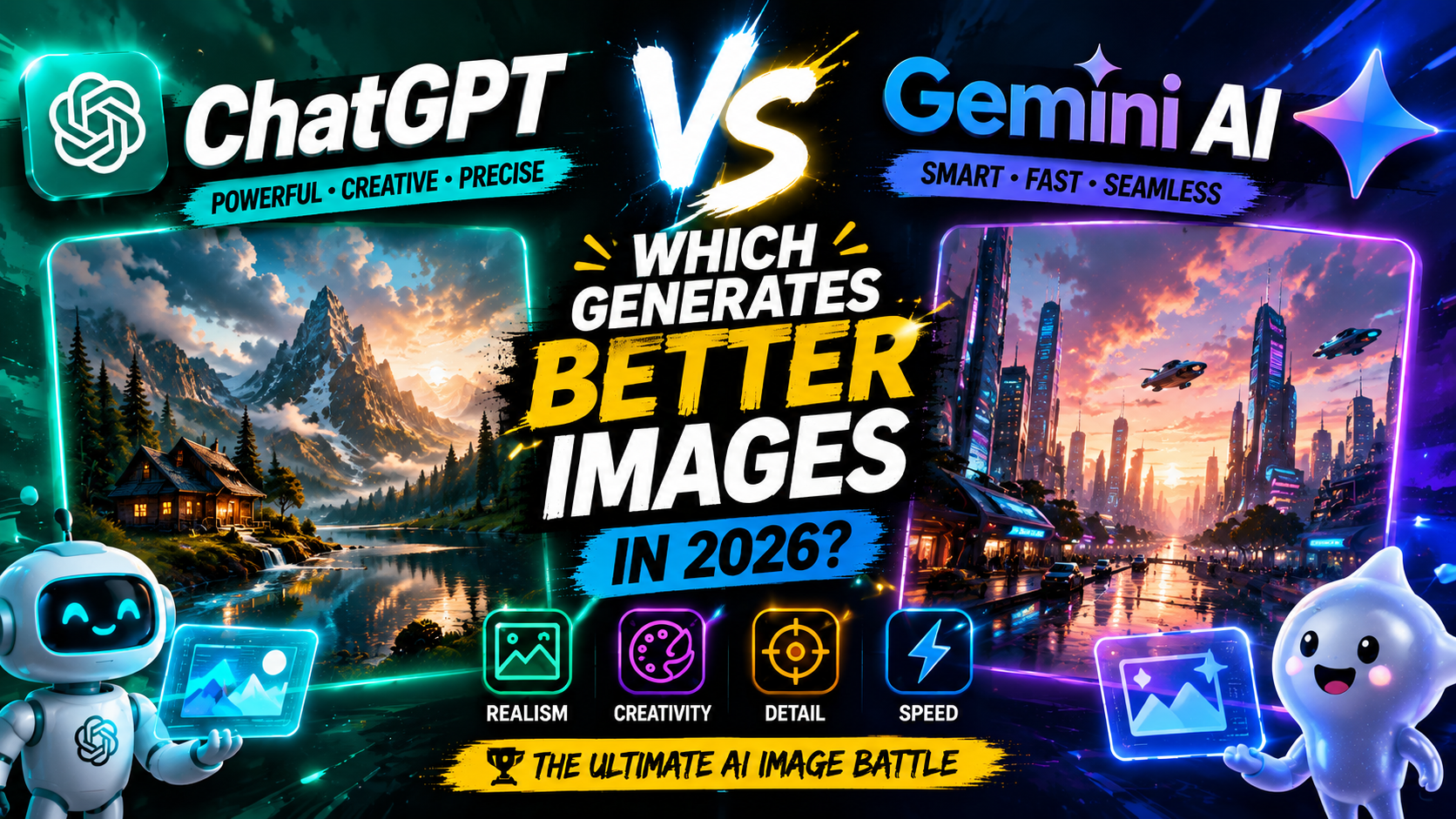
AI image generation stopped feeling experimental this year. The results now look close enough to professional design work that creators, marketers, YouTubers, and even small businesses are replacing traditional workflows with prompts. That shift created one giant question across the internet: ChatGPT vs Gemini AI — which actually generates better images in 2026?
The answer is not as simple as “one is better.” After testing both platforms across cinematic posters, photorealistic portraits, anime renders, typography-heavy ads, YouTube thumbnails, and product mockups, a pattern becomes obvious surprisingly fast. One model excels at visual intelligence and consistency, while the other often wins in ecosystem integration and contextual understanding.
The difference feels similar to comparing a high-end DSLR camera with a flagship smartphone camera. Both produce impressive shots, but they are designed with very different priorities.
Why ChatGPT vs Gemini AI Matters in 2026
AI image generation moved beyond social media experimentation. According to industry estimates from IDC and Gartner reports published in late 2025, generative AI design tools saw enterprise adoption growth above 40% year-over-year. Small creators pushed that number even further because image generation now directly affects speed, branding, and monetization.
Many creators discovered this during the past year while building faceless YouTube channels, affiliate websites, and Instagram theme pages. A thumbnail that once took two hours in Photoshop can now appear in under two minutes with a detailed prompt. That changes publishing frequency completely.
So which AI generates better images in 2026? The short answer depends on what “better” means for your workflow. ChatGPT currently dominates prompt accuracy and cinematic composition quality, while Gemini performs strongly when integrated with Google's broader productivity ecosystem.
People also ask whether Gemini can create realistic images comparable to ChatGPT. It can, especially with environment rendering and product-focused prompts, but consistency across multiple generations still varies more noticeably.
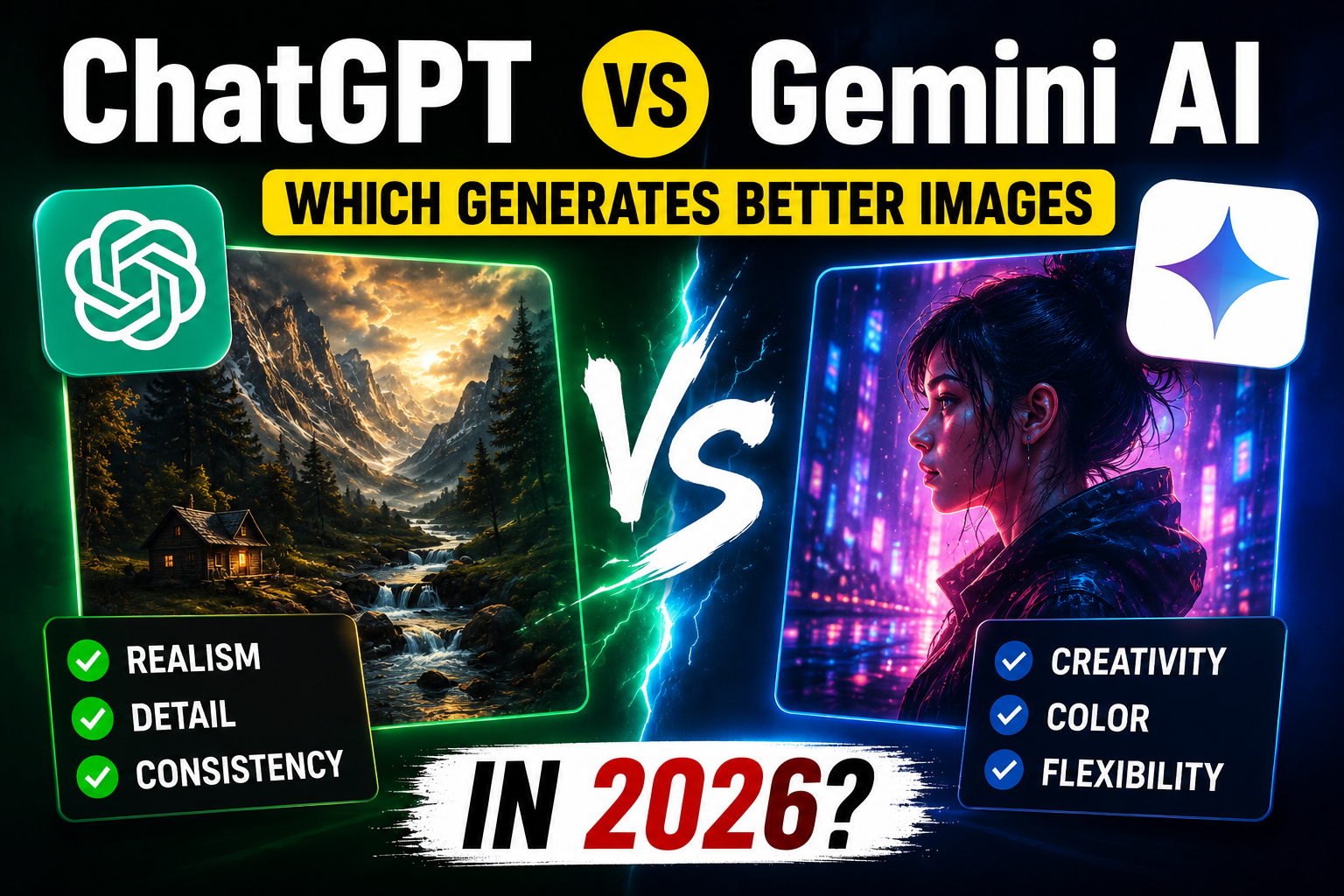
IMAGE-1: Side-by-side cinematic poster generated by ChatGPT and Gemini AI | Type: comparison infographic | Data: lighting realism, prompt accuracy, facial consistency | Source: Custom Canva comparison using generated outputs
ChatGPT Produces More Cinematic and Consistent Results
The biggest advantage ChatGPT gained in 2026 comes from image consistency. That matters far more than most comparison articles admit.
Prompt Understanding Feels Closer to Human Interpretation
When creators write emotionally layered prompts, ChatGPT usually captures tone with stronger precision. A prompt asking for “a stormy Indian railway scene with teal cinematic lighting and gritty atmosphere” tends to produce coherent visual storytelling instead of random aesthetic fragments.
That difference becomes obvious with advanced prompting structures. ChatGPT handles camera angles, lens simulation, environmental mood, typography placement, and character positioning in a single generation more reliably than Gemini. The outputs often feel directed rather than assembled.
Is ChatGPT better than Gemini for AI art? For cinematic compositions and stylized visuals, most creators would probably answer yes right now. The edge becomes especially visible in poster-quality renders and YouTube thumbnail design.
Typography Rendering Improved Dramatically
Text generation inside images used to be a disaster across nearly every AI platform. That changed this year.
ChatGPT’s newer multimodal models now render short typography blocks with much higher clarity. Movie posters, logo-style text, and ad creatives look cleaner than previous generations. Gemini improved too, but longer text still occasionally breaks spacing or character accuracy during complex compositions.
One designer on Reddit described the difference perfectly: Gemini often creates “beautiful chaos,” while ChatGPT behaves more like a controlled creative director. That observation feels accurate after extended testing.
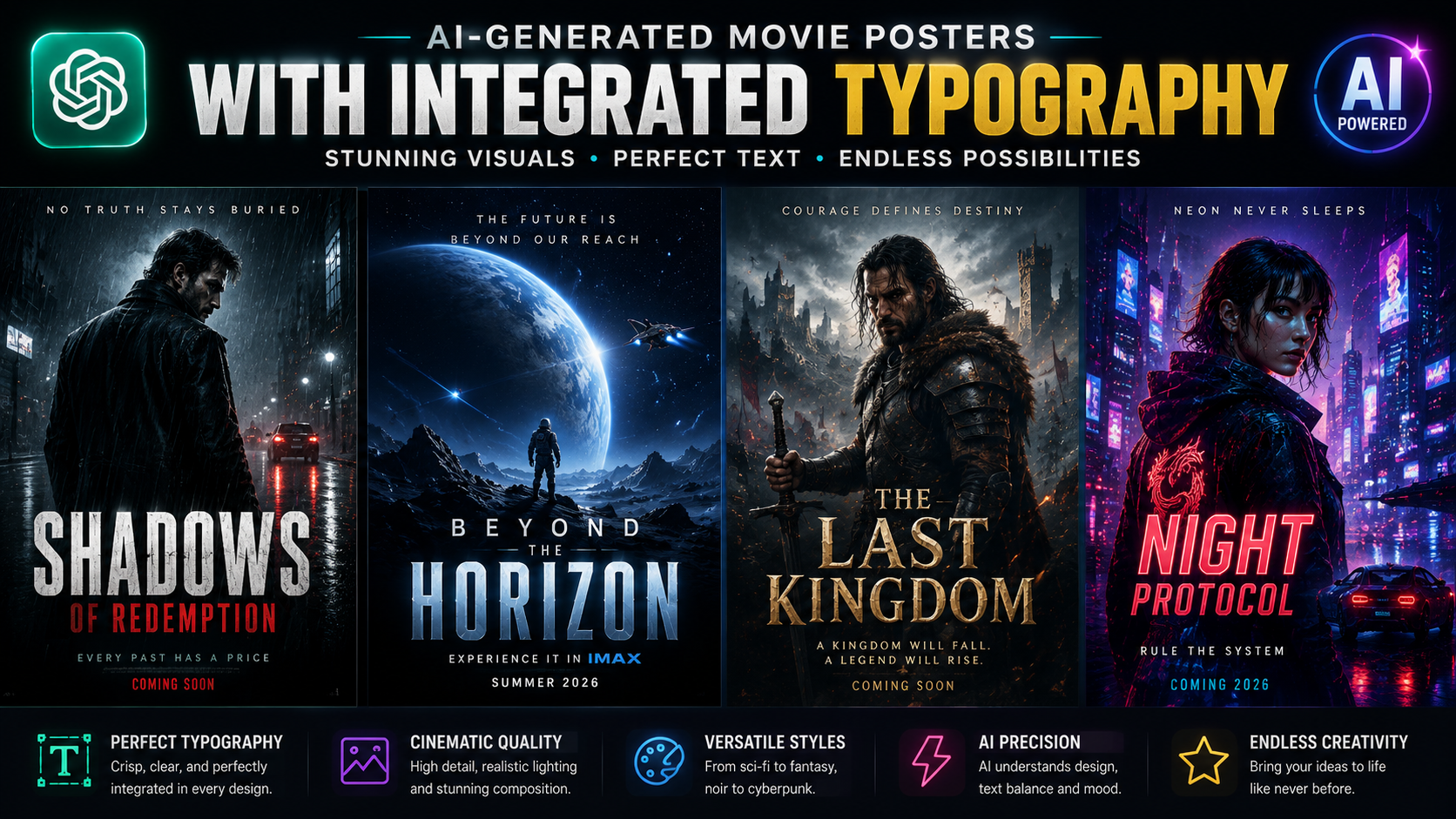
IMAGE-2: AI-generated movie posters with integrated typography | Type: infographic | Source: Canva composite using AI-generated examples
Gemini AI Still Has Major Advantages for Everyday Users
Gemini is not losing this race. In fact, Google's ecosystem strategy gives it strengths that many casual users may prefer.
Google Integration Makes Workflow Faster
Gemini works naturally across Google services, which matters for productivity-focused creators. Someone researching a topic in Google Search, organizing references in Docs, and generating images inside the same ecosystem experiences fewer interruptions.
That convenience matters more than people think. Creative momentum disappears when workflows become fragmented.
Can Gemini AI compete with ChatGPT image generation? Absolutely. It especially shines when users prioritize speed, quick iteration, and integrated productivity over highly cinematic visual polish.
Realistic Environments Sometimes Look More Natural
Gemini occasionally produces softer and more naturally balanced environmental lighting. Landscapes, architecture shots, and clean commercial product renders can appear less aggressively stylized than ChatGPT outputs.
For ecommerce mockups, business presentations, and educational graphics, that softer aesthetic may actually work better. Not every brand wants dramatic cyberpunk lighting or hyper-detailed cinematic depth.
What Most People Get Wrong About AI Image Generation
Most users assume realism alone determines image quality. It does not.
Consistency is the real battlefield now. A creator building a brand needs the same character, lighting style, framing language, and emotional tone repeated across dozens of images. One incredible generation means very little if the next four look unrelated.
This is where ChatGPT currently maintains a noticeable lead. Sequential visual consistency improved substantially during 2026 model updates according to creator testing communities and independent benchmark comparisons.
Fast Creator Insight: Many successful faceless YouTube channels now generate thumbnail batches in one sitting using detailed “style memory prompts.” ChatGPT handles recurring visual identity more reliably during these batches, especially for cinematic entertainment content and tech channels.
The Other Side: Why Some Creators Prefer Gemini
Several digital artists argue that ChatGPT outputs can become overly polished. That criticism is valid.
Some Gemini-generated images feel less “AI-perfect” and therefore slightly more organic. The imperfections occasionally help realism instead of hurting it. Overprocessed skin textures and ultra-dramatic lighting sometimes make ChatGPT visuals look synthetic under close inspection.
Google researchers also continue improving multimodal context integration aggressively. Analysts from firms tracking generative AI adoption believe Google’s long-term advantage may come from ecosystem dominance rather than pure image quality alone.
Another concern involves creative sameness. As more creators use similar cinematic prompting techniques, certain ChatGPT-generated aesthetics are becoming instantly recognizable online. Nobody wants their content to feel mass-produced.
That raises a fair question: will audiences eventually prefer slightly imperfect images because they feel more human?
What Creators Should Do Right Now
If you create cinematic content, YouTube thumbnails, AI posters, anime visuals, or highly stylized branding assets, ChatGPT currently gives stronger results overall. The prompt interpretation quality alone saves substantial editing time.
For productivity-heavy workflows tied closely to Google services, Gemini remains extremely practical. Bloggers, educators, startups, and business teams may value that integration more than raw cinematic quality.
Which AI image generator is more realistic? For faces and dramatic compositions, ChatGPT usually wins. For softer commercial visuals and balanced environments, Gemini can occasionally look more naturally grounded.
Here is the smartest workflow many creators now use:
- Use ChatGPT for hero visuals, posters, thumbnails, and cinematic scenes requiring strong emotional direction.
- Use Gemini for quick drafts, presentation visuals, educational graphics, and productivity-focused image tasks.
- Refine outputs later using Canva Pro, Figma, or Photoshop Express for final publishing consistency.
- Save successful prompts into categorized libraries because prompt structure matters almost as much as the model itself.
- Test both platforms monthly since AI image quality changes unusually fast now.
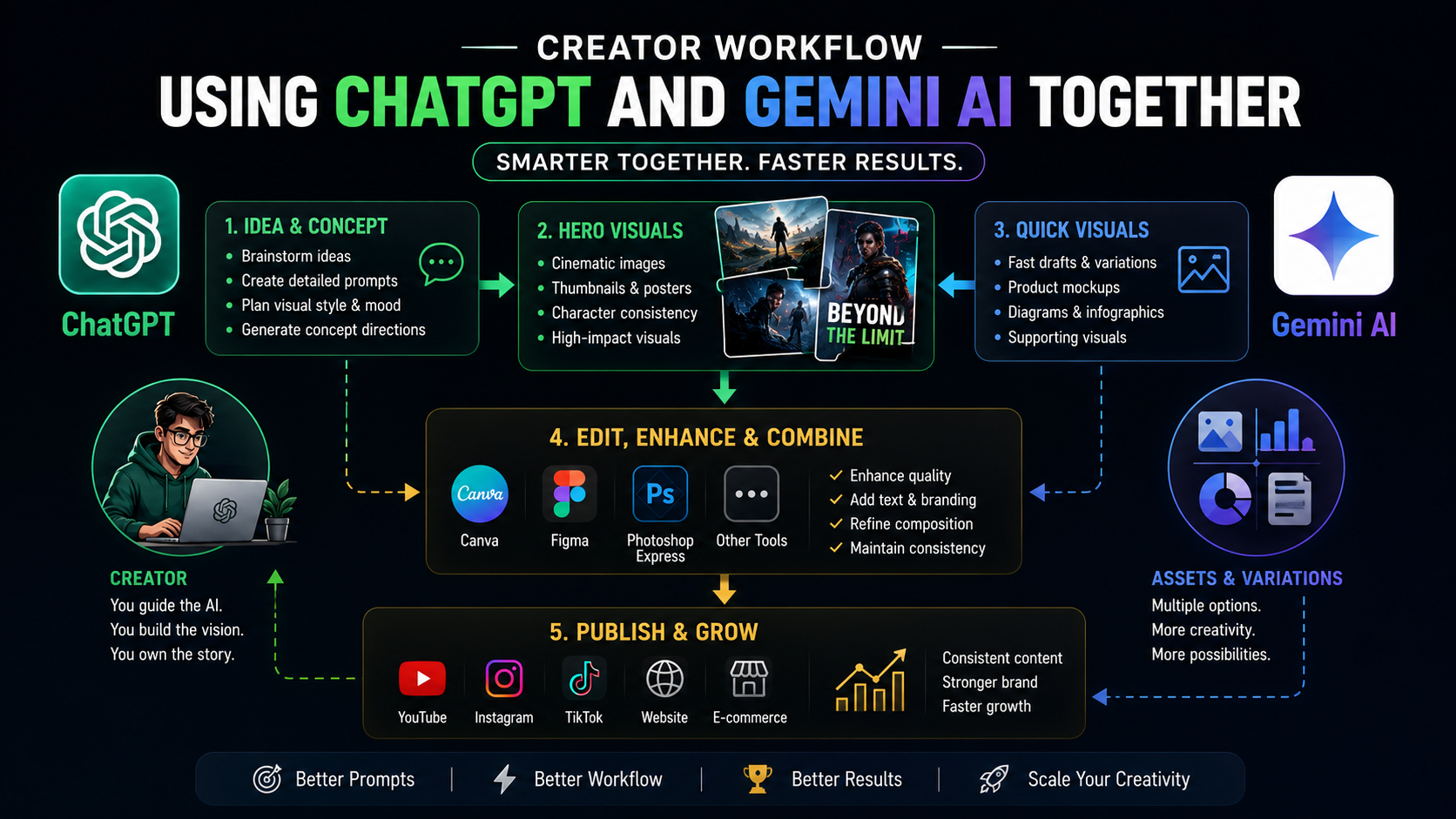
IMAGE-3: Workflow diagram showing creators using ChatGPT and Gemini together | Type: workflow infographic | Source: Canva custom infographic
The smartest creators in 2026 are not loyal to one AI platform. They treat AI models like specialized tools inside a larger creative system.
ChatGPT vs Gemini AI will probably remain the defining image-generation rivalry of this decade. Right now, ChatGPT feels more cinematic, more precise, and more capable of maintaining visual identity across complex prompts. Gemini feels faster, more integrated, and occasionally more naturally balanced for everyday business use.
Neither platform is standing still. That is the real story.
The creators who adapt fastest to these evolving tools will likely dominate visual content creation long before the rest of the market catches up.